
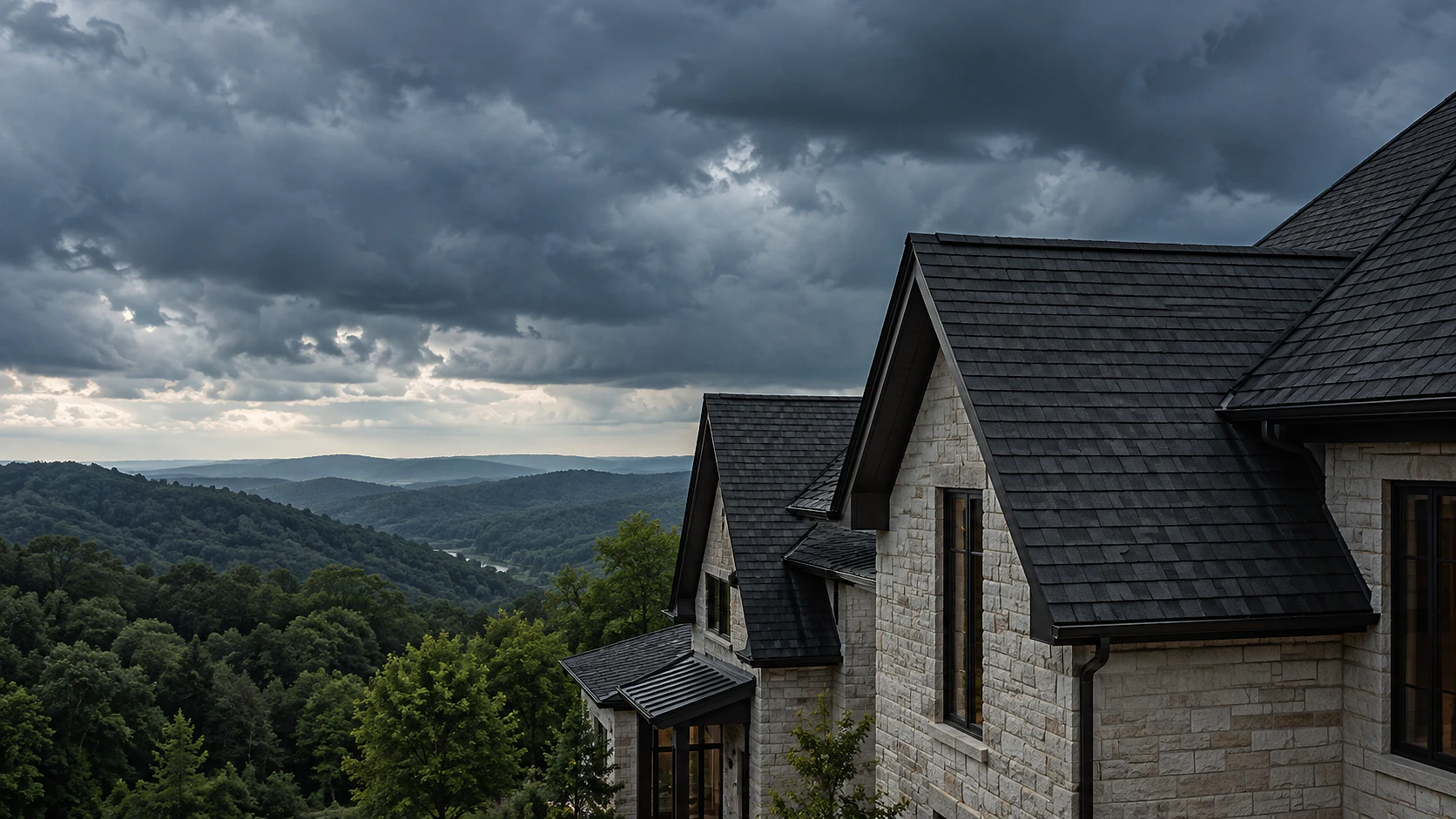
Storm hit your home?
We handle everything.
- Emergency tarping, day or night
- Every slope photographed and documented
- We handle the insurance company for you
- One local crew from tarp to final shingle
Real protection. Real results.




Damage Guides
What kind of damage are you dealing with?
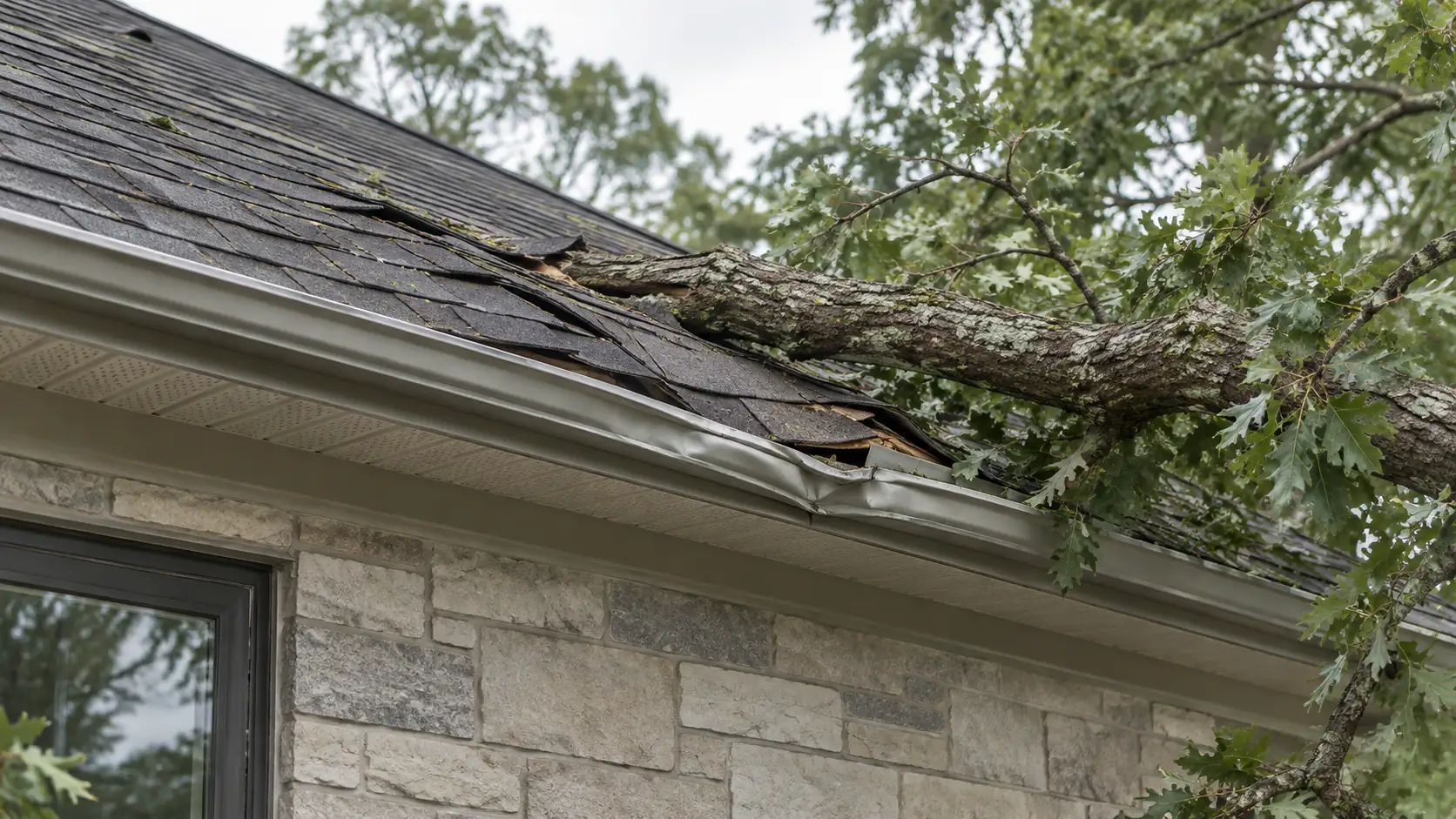
24/7 Emergency Roof Tarping
Tree strike, tornado breach, or blown-off section — emergency tarping stops the water damage clock while the permanent…
Get Help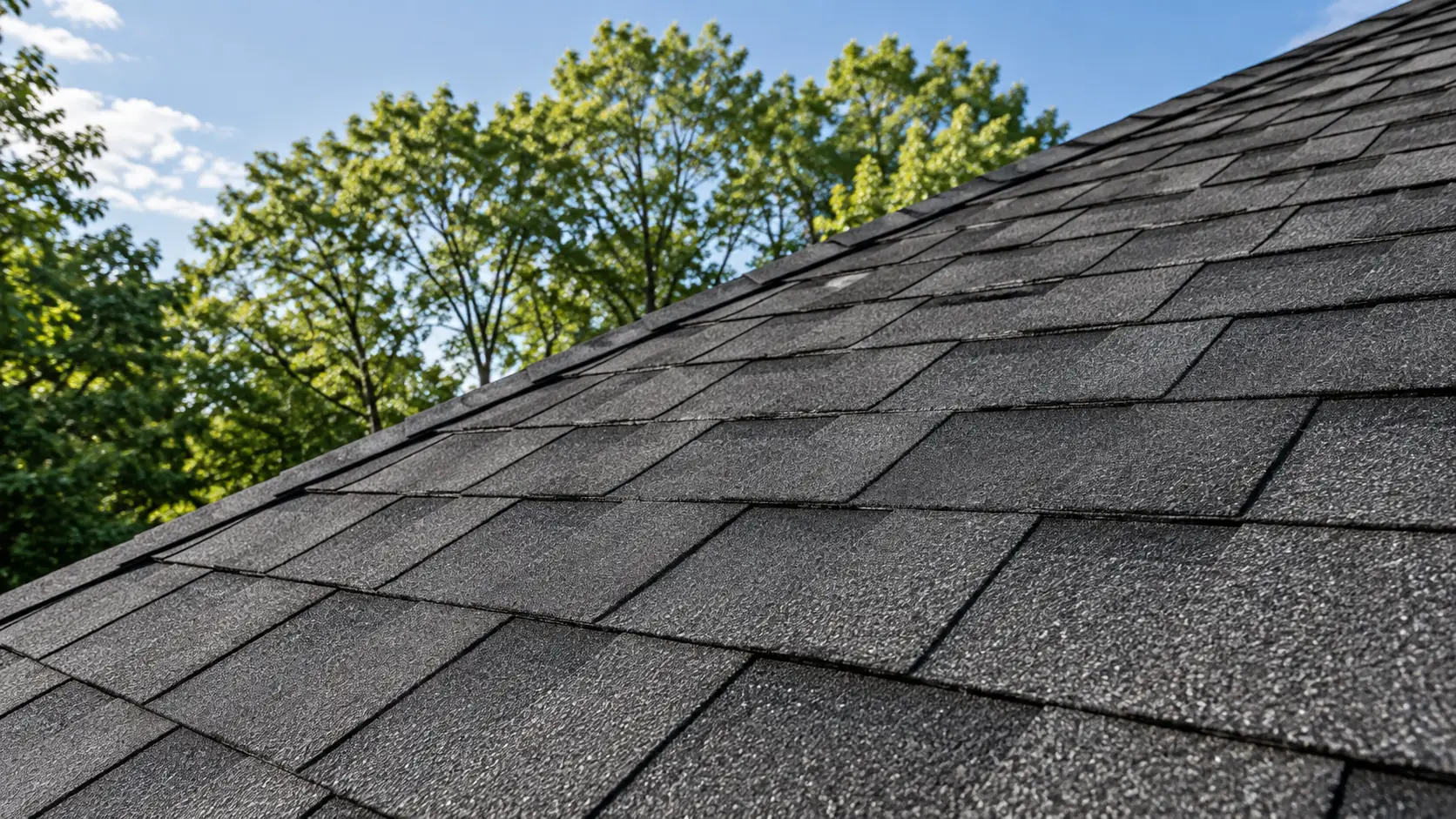
Aging & Failing Roof Replacement
Curling shingles, bald spots, endless granules — an aging roof gives fair warning. Replace on your schedule and budget…
Get Help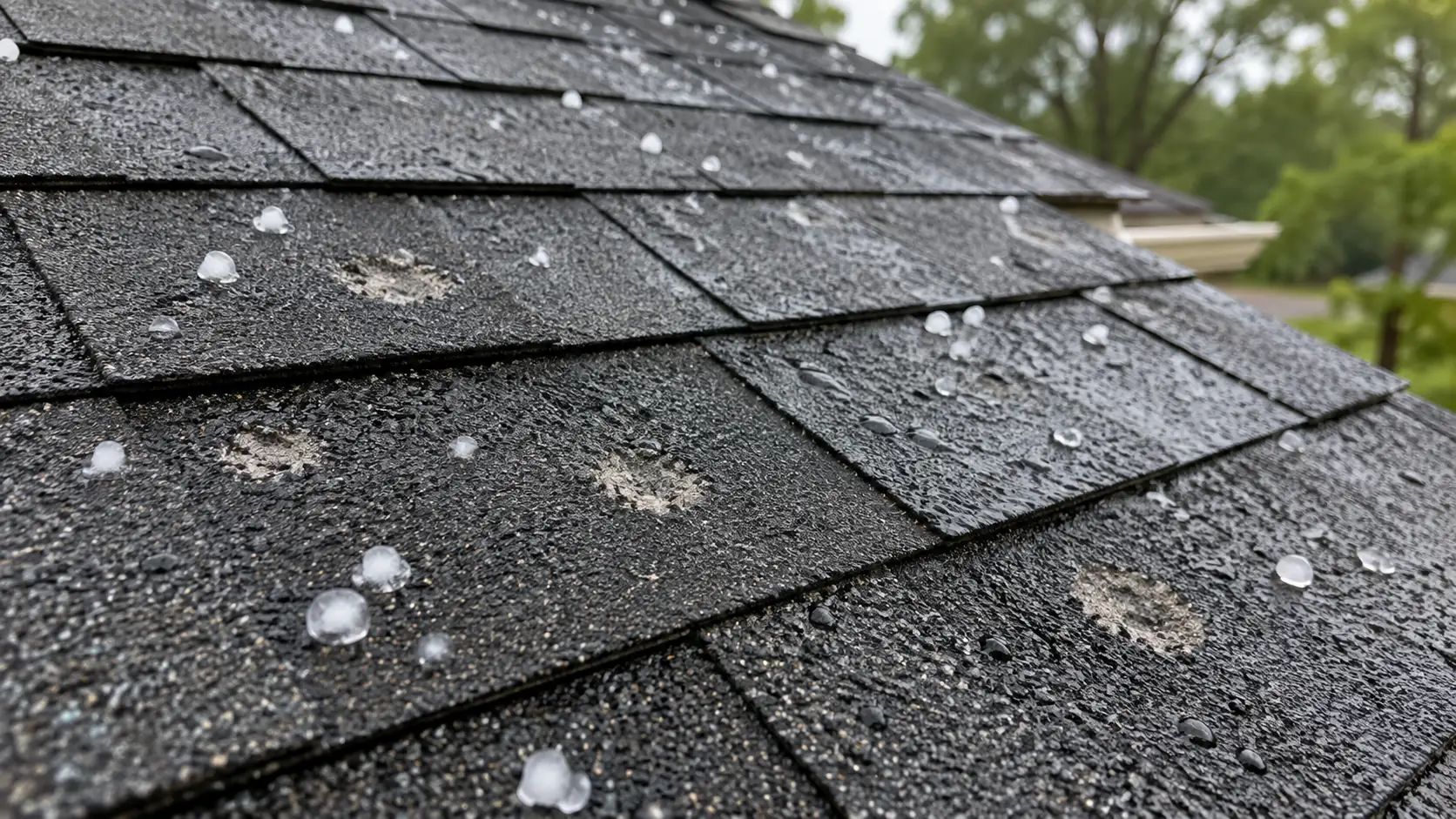
Hail Damage Roof Inspection & Restoration
Hail bruises shingles invisibly from the ground and shortens roof life by years. A free documented inspection tells you…
Get Help
Roof Insurance Claim Help
Documentation, adjuster meetings, scope reviews, code items — we’ve guided hundreds of Middle Tennessee claims to fair…
Get Help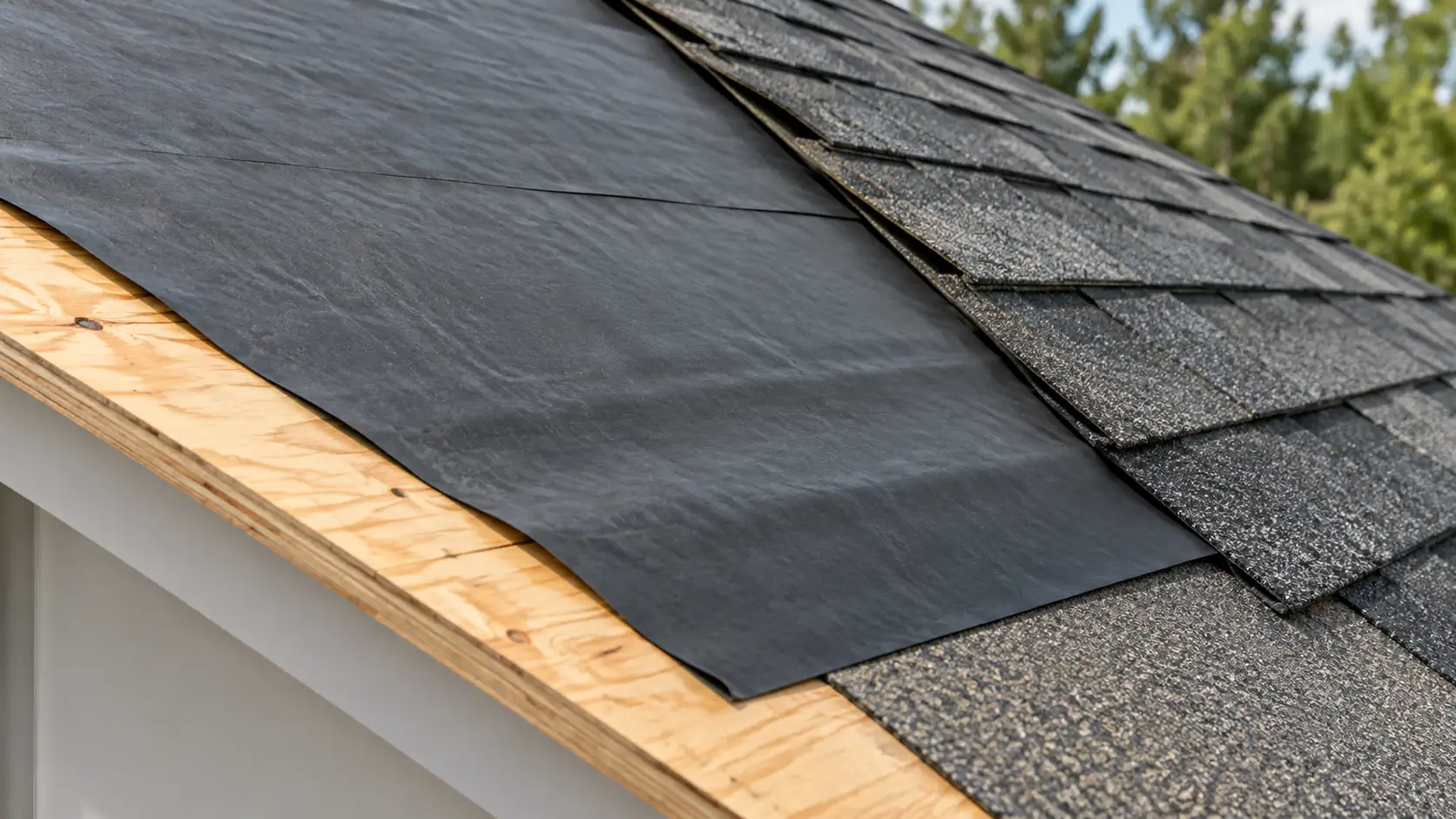
Roof Leak Repair
Leaks never shrink — they rot decking, soak insulation, and grow mold while they wait. We trace the real source and fix…
Get Help
Tornado Damage Restoration
From emergency tarping the same day to full structural roof restoration, we take Middle Tennessee families from…
Get Help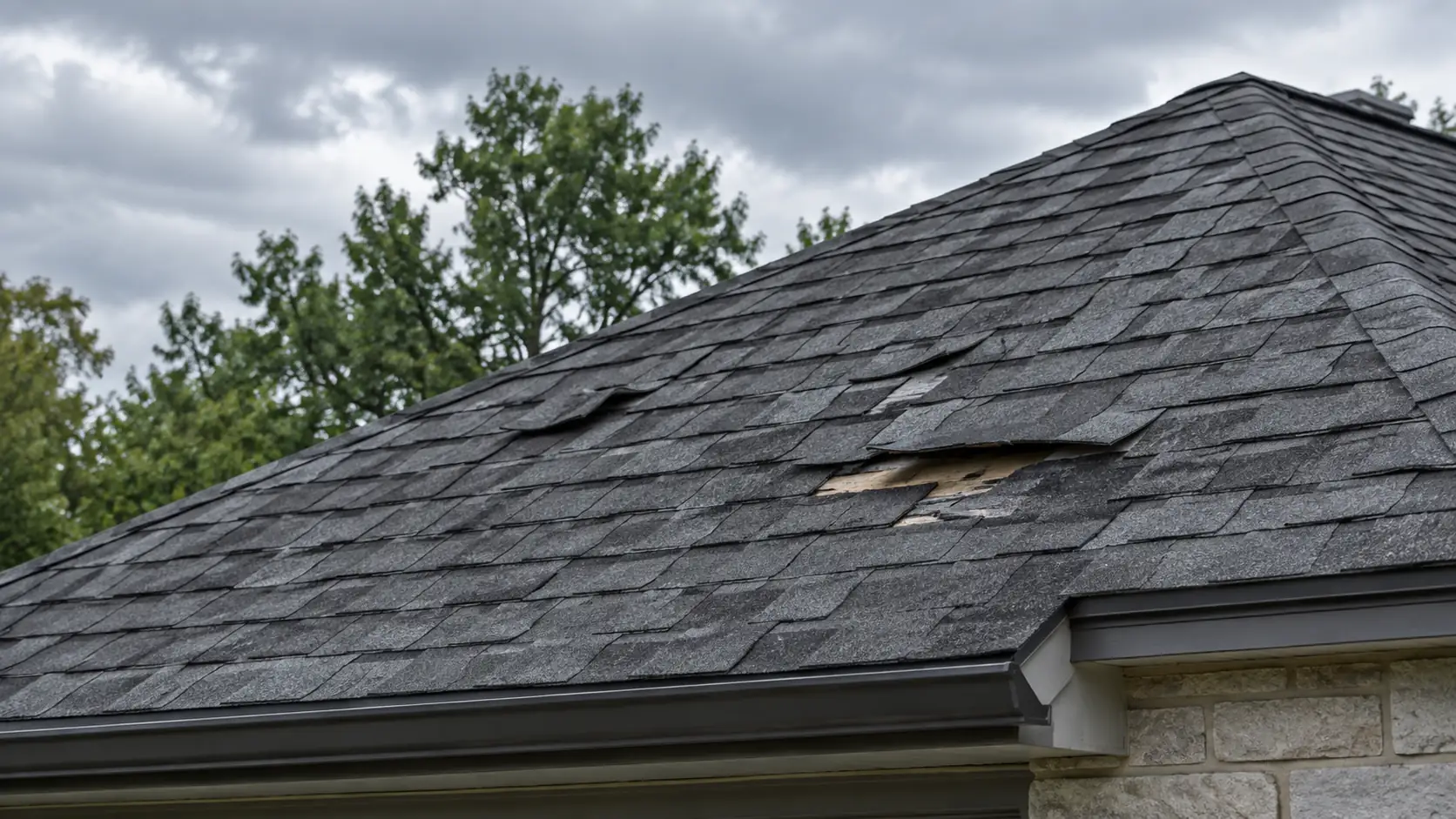
Wind Damage Roof Repair
Straight-line winds crease and lift shingles in ways you can’t see from the driveway — and every broken seal is a leak…
Get Help- Not sure what hit you?Check if a storm hit your address against confirmed National Weather Service reports.Check My Address
How It Works
From first call to final shingle.
Secure the home
Emergency tarping and board-up so the water stops moving before anything else is decided.
Document the loss
Every slope photographed and measured, then matched against the confirmed storm footprint over your address.
Meet the adjuster
We stand on the roof with your carrier’s adjuster and walk the damage line by line, so nothing is missed off the scope.
Rebuild it right
GAF Master Elite installation, manufacturer warranty, and a final walkthrough before the claim is invoiced.
Storm & Insurance
Frequently Asked Questions
What does hail damage look like on a roof?
From the ground, often like nothing at all — which is exactly why hail damage gets missed until it becomes a leak. Up close, look for:
- Bruises or dark spots on shingles where granules were knocked loose
- Granules collecting in gutters and downspouts (they look like coarse black sand)
- Dents in soft metals — gutters, downspouts, roof vents, flashing, and AC fins are telltales
- Cracked or exposed fiberglass mat on older shingles
Hail doesn't need to be huge to matter: quarter-size (1") hail can compromise a shingle roof, and Middle Tennessee sits in a genuine hail corridor. If a storm dropped hail on your area in the last 12 months, get a documented inspection even if the ceiling looks fine — insurance claims have time limits.
How can I tell if wind damaged my roof?
After a wind event, check from the ground for:
- Missing shingles or dark patches where tabs blew off
- Lifted or creased shingles — they may lie back down but the seal is broken, which means they'll leak or blow off later
- Shingle pieces or granules in the yard
- Damaged ridge caps along the roof peak, which take the most wind
- Loose or bent flashing, gutters, or fascia
Creased shingles are the sneaky one: the roof can look "fine" from the street while hundreds of broken seals wait for the next storm. Straight-line winds in Middle Tennessee routinely exceed 60–70 mph — if a storm made the news, it's worth a free documented inspection.
How do I avoid storm-chaser roofing scams?
After every big Middle Tennessee storm, out-of-state trucks appear. Some are legitimate; many are not. Red flags:
- Door-knockers demanding you sign today "to hold your spot in line"
- Offers to waive or eat your deductible (illegal — and the clearest tell there is)
- No local address you can visit, no Tennessee license number, out-of-state plates
- Pressure to sign an assignment-of-benefits or a vague "contingency agreement" before any inspection report
- Cash-only or big deposits up front
Protect yourself: verify the license, ask for the physical office address, read recent local reviews, and get the inspection findings in writing with photos before signing anything. We've been here, we'll be here — 2002 New Deal Potts Rd in Portland isn't going anywhere.
How does the roof insurance claim process work in Tennessee?
The short version: document, file, adjust, build.
- Free inspection first. We assess the roof and photograph every bit of storm damage. If the damage doesn't justify a claim, we tell you straight — filing a weak claim can count against you.
- You file the claim. You call your carrier (or file online) and report the date of the storm. We can be on the phone with you if that helps.
- The adjuster visit. Your insurance company sends an adjuster. We meet them on your roof so the damage we documented actually gets seen and scoped correctly.
- Scope and payment. The carrier issues a scope of work and initial payment (often in two parts — the second arrives after the work is complete).
- The build. We restore the roof to code with manufacturer-spec installation, then submit the final invoice and documentation to release your remaining funds.
You pay your deductible — nothing more, nothing less. That's the law in Tennessee, and any contractor telling you otherwise is a red flag.
Should I file an insurance claim for my roof?
Only if the damage justifies it — and that's exactly what an honest inspection tells you.
File when there's documented storm damage (hail bruising, wind-creased or missing shingles, tornado damage) substantial enough to exceed your deductible meaningfully. Don't file for normal aging or minor wear: claims history follows you, and a denied claim helps nobody.
Our process protects you here. We inspect and document first, tell you plainly whether what we found is claim-worthy, and only then do you decide to involve your carrier. If it's not claim-worthy, you'll know what maintenance or repair actually makes sense instead.
Can a roofer waive or "cover" my insurance deductible in Tennessee?
No — and any roofer who offers to is committing insurance fraud and asking you to participate in it.
Tennessee law requires homeowners to pay their deductible, and contractors who "eat the deductible" make up the difference somewhere: inflated invoices to the carrier, skipped materials, or shortcuts on labor. It's also the single most reliable marker of a storm-chasing operation that won't exist when your warranty needs honoring.
We'll help you get every legitimate dollar your policy owes you — real damage, documented thoroughly, scoped fully (including code-required items adjusters sometimes miss). That's how you maximize a claim honestly.

Not sure if you have damage?
Most storm damage isn't visible from the ground. Get a free, honest inspection — if there's no claim-worthy damage, we'll tell you straight.