


Storm damage is stressful enough without learning the insurance system on the fly. Here's the process as it actually works in Tennessee, from the contractor side of hundreds of claims.
We meet the adjuster on the roof for every claim we support.
Step one
Get the damage documented before you call anyone
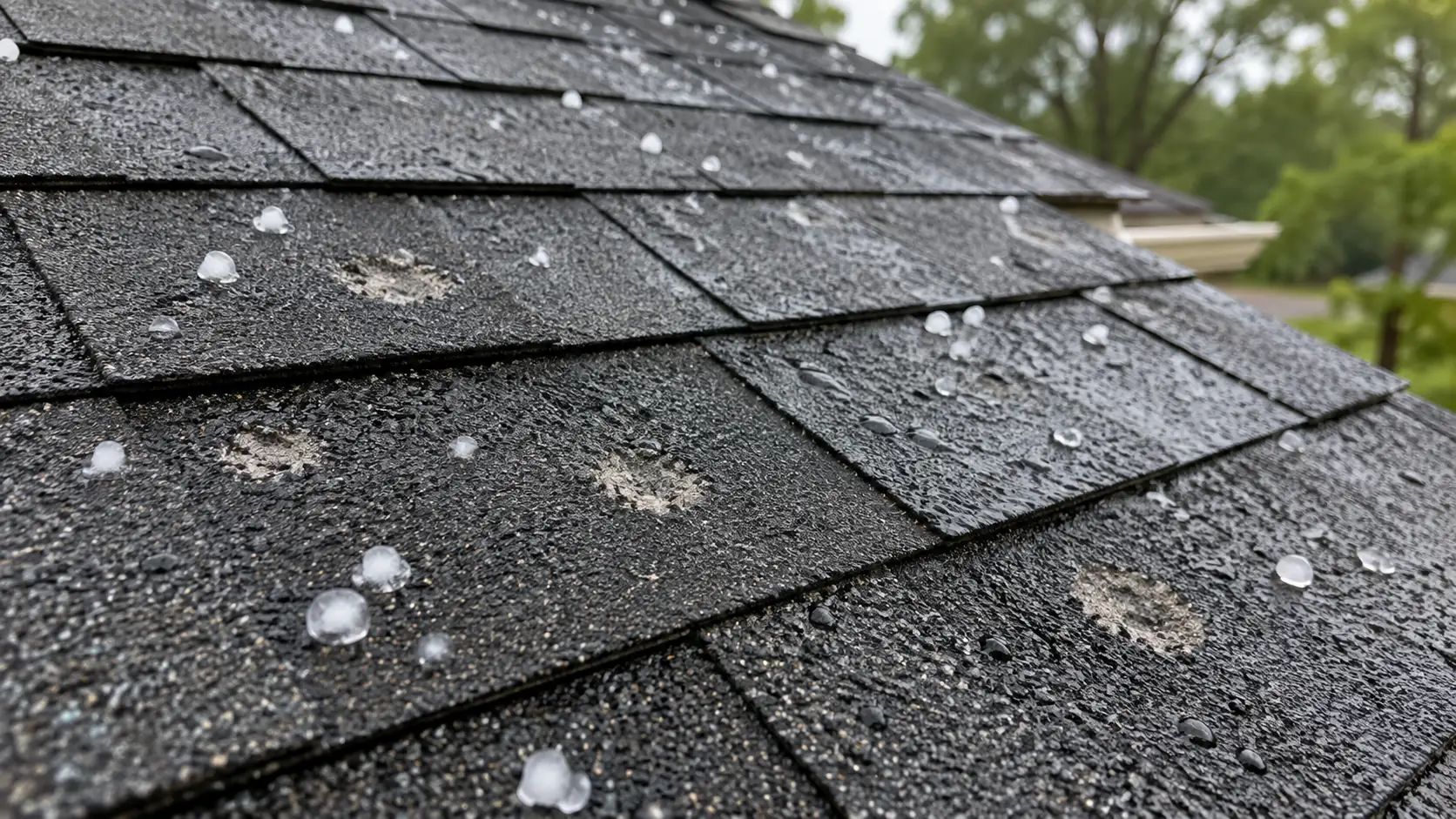
Your claim is only as strong as its evidence. Before you call your carrier, get a professional inspection that photographs and maps the damage — every slope, every soft-metal dent, every crease. A reputable local contractor does this free.
This first step also answers the most important question: is this claim-worthy at all? Filing for damage that won't meaningfully exceed your deductible hurts you twice — claims history follows you, and a denial creates a paper trail future adjusters see. An honest contractor will tell you when not to file.
Step two
File promptly — Tennessee's clock is real
Most policies require "prompt" notice, and while Tennessee allows property claims to be brought within statutory limits, carriers scrutinize late-reported storm damage hard. A claim filed weeks after a documented regional storm reads very differently than one filed a year later. File within days or weeks, not seasons.
When you call, you'll give the storm date (your contractor's documentation will reference the specific weather event), describe the damage plainly, and receive a claim number. Don't speculate about causes or repairs — describe what's visible and let the documentation speak.
Step three
The adjuster inspection — don't do it alone
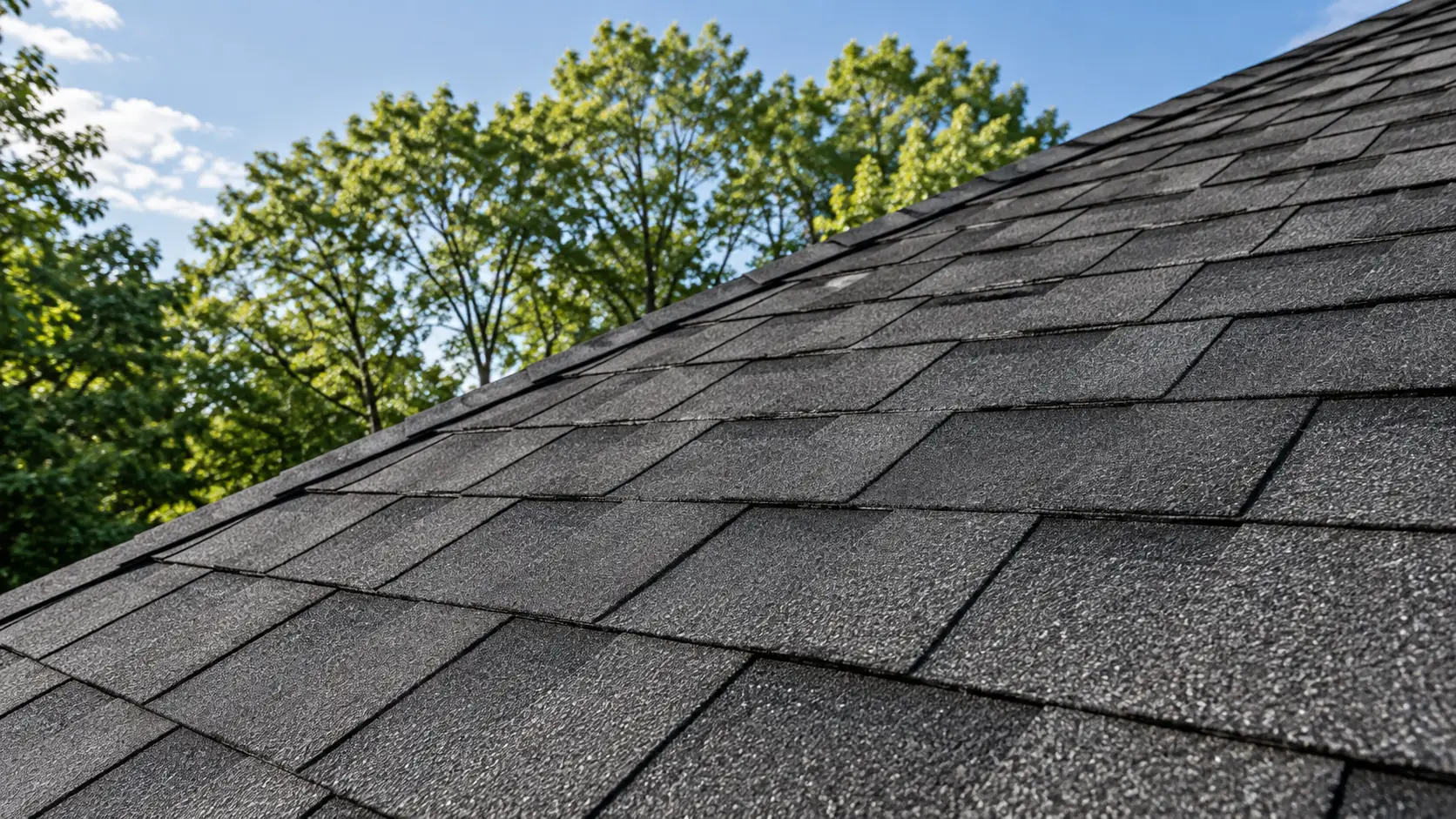
Your carrier assigns an adjuster to inspect. This is the moment your claim is largely decided, and it's where having your contractor present matters most. Adjusters inspect quickly; damage that's chalked, photographed, and explained gets scoped, while subtle damage — wind creasing, hail bruising on the shaded slope — gets missed by even well-meaning adjusters moving fast.
We meet the adjuster on the roof for every claim we support. It's collegial, not adversarial: two professionals confirming the same evidence.
Step four
Read the scope like a contractor
The carrier issues an estimate ("scope of loss") and usually a first payment — often the actual cash value, with recoverable depreciation paid after completion. Before anyone celebrates or panics, the scope needs a line-by-line review:
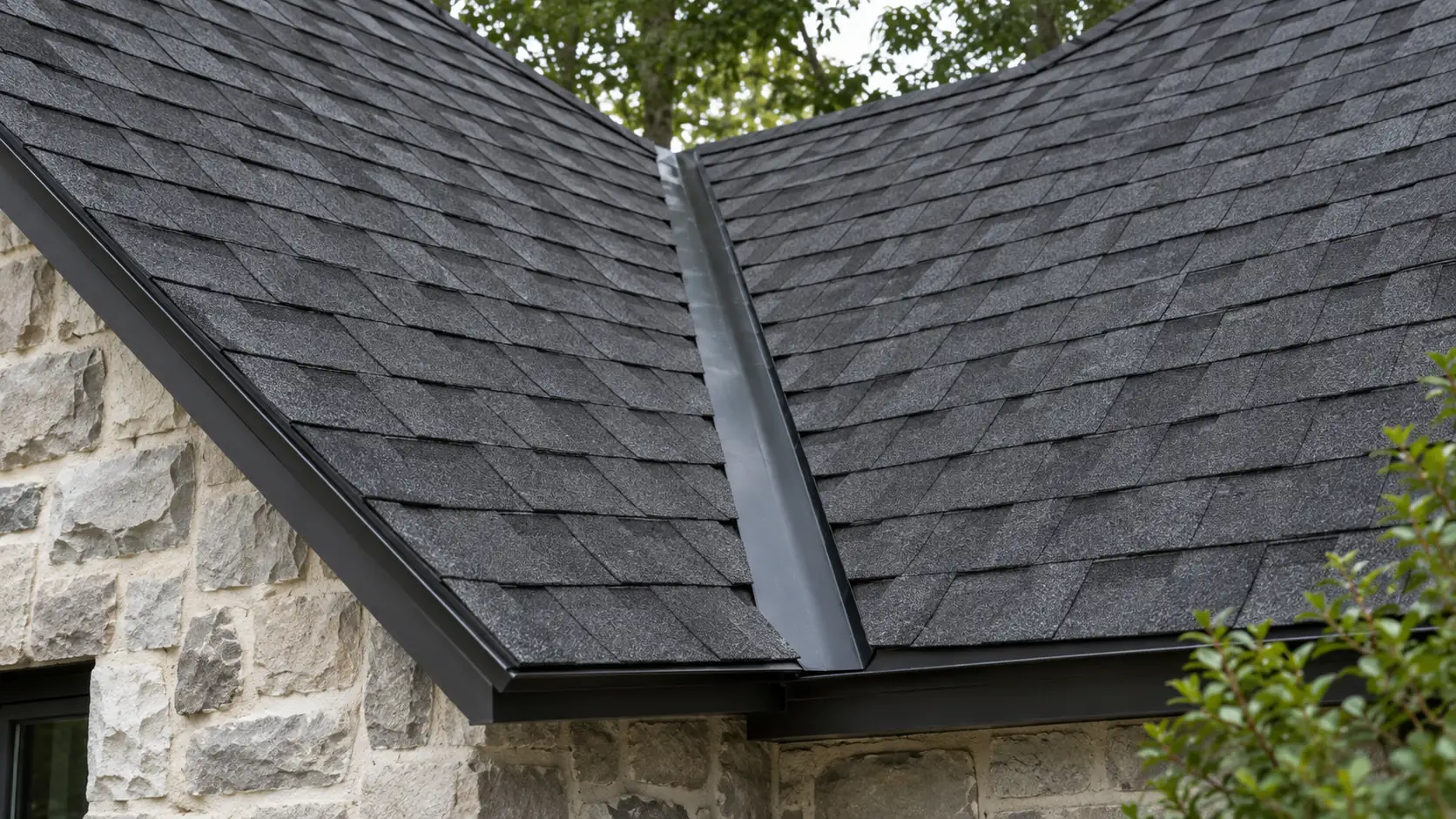
- Code items: Tennessee jurisdictions commonly require drip edge, ice-and-water barrier at eaves and valleys, and proper ventilation on replacement. Ordinance/law coverage exists in most policies — but only if it's in the scope.
- Matching and slopes: partial approvals sometimes ignore that discontinued shingles can't be color-matched.
- Steep/high charges, disposal, permits: routine omissions that legitimate supplements fix.
Supplementing isn't gaming the system — it's making the paperwork match the actual, code-compliant job.
Step five
Your deductible, the law, and the biggest red flag
You pay your deductible. Full stop. Any contractor offering to "waive" or "absorb" it is describing insurance fraud, and it's the single most reliable marker of a storm-chasing operation. Tennessee's residential roofing market gets flooded with out-of-state operators after every major event — the deductible offer is how you spot them in one sentence.
Step six
The build and the closeout
With scope agreed, the restoration proceeds like any quality roof replacement: full tear-off, decking assessment, complete system installation to manufacturer spec. Afterward, your contractor submits completion documentation and the carrier releases remaining depreciation. Keep every document — scope, invoices, warranty registration — in one folder; future buyers and future claims both benefit.
The short version
The short version
Document first. File promptly. Have your contractor at the adjuster meeting. Review the scope for code items. Pay your deductible and nobody else's games. And choose a restoration contractor who'll still be at the same local address when the warranty matters — that one choice quietly determines how everything else goes.
Storm damage in Middle Tennessee? Our inspections are free, documented, and honest — request yours here.